How To Choose a BBQ
8 mins
Choosing a BBQ is a bit like choosing a car. You don't need the biggest one on the lot. You need the right one for how you actually live. A family firing up weekend snags in the backyard has different requirements to a renter with a balcony, or someone building out a full outdoor kitchen.
Australians love to BBQ and the range today is a long way from the basic flat top. Whether you're in the market for your first BBQ or upgrading to something a bit more serious robust, here's what to know before you buy.
Who it's for
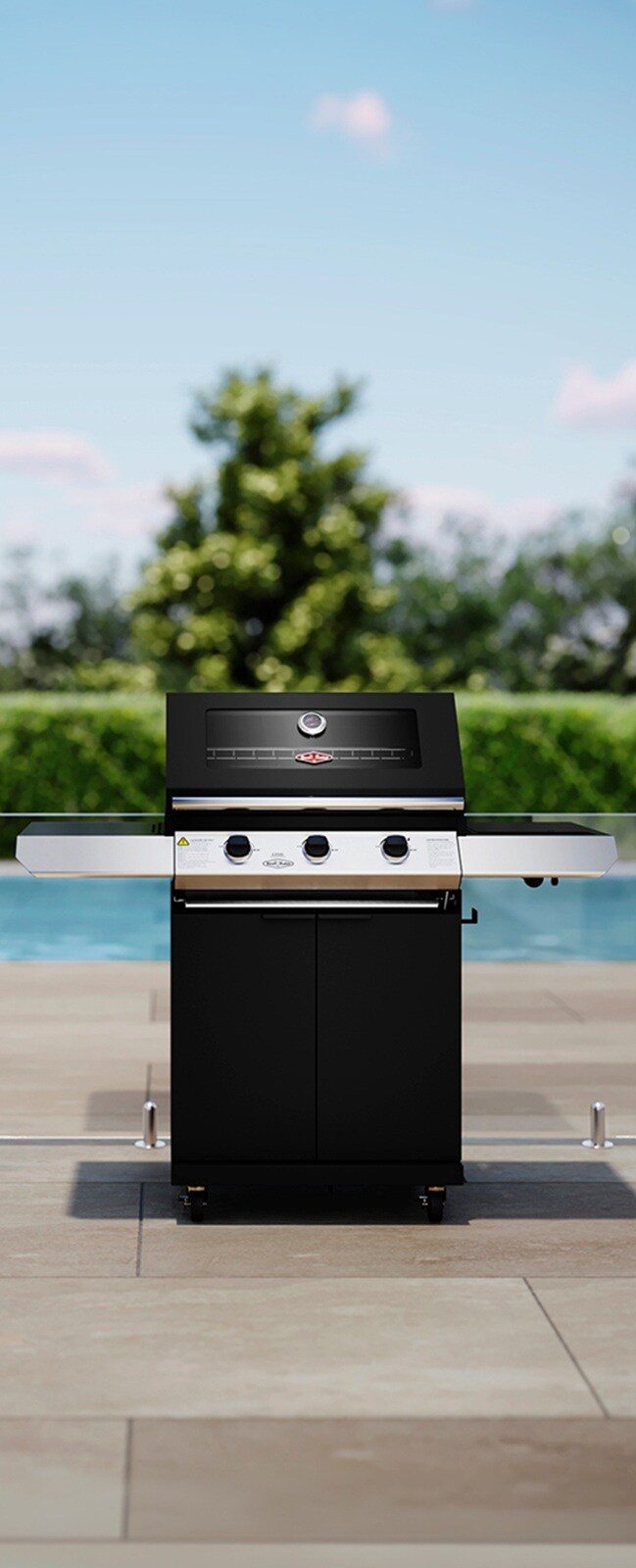
Freestanding BBQs suit families cooking weekday dinners and weekend gatherings alike. They're also a popular choice for renters who want a serious setup without drilling a single thing into a wall.
What to consider
- How many burners do you need? BeefEater freestanding models range from two burners up to five, so think about how often you're cooking for a crowd versus just the family.
- A side burner is handy for sauces, sides, or keeping things warm while the main event finishes up.
- Integrated storage drawers and cabinets make a real difference if you want everything in one place.
- A hooded BBQ gives you oven-style cooking (roasting, indirect heat, smoking) on top of standard grilling.
Fuel
BeefEater freestanding barbecues run on gas: either LPG (bottled) or natural gas. LPG is the more common starting point since you don't need a gas connection, just a cylinder. Natural gas connects directly to your home's supply via an outdoor outlet, which means no bottles to swap out, but it does require professional installation.
Your BeefEater can be converted between the two with the right conversion kit.
Maintenance
A quick post-cook clean after every use (oil, brush, wipe) is all it takes to keep a freestanding BBQ in good shape. Cover it between uses to protect the barbeque from the elements. For a more detailed guide, head to our How to Clean Your BBQ guide.
Cost
Mid to premium range. You're paying for build quality, burner power, and longevity. A well-maintained BeefEater freestanding BBQ will outlast several budget alternatives.
Who it's for
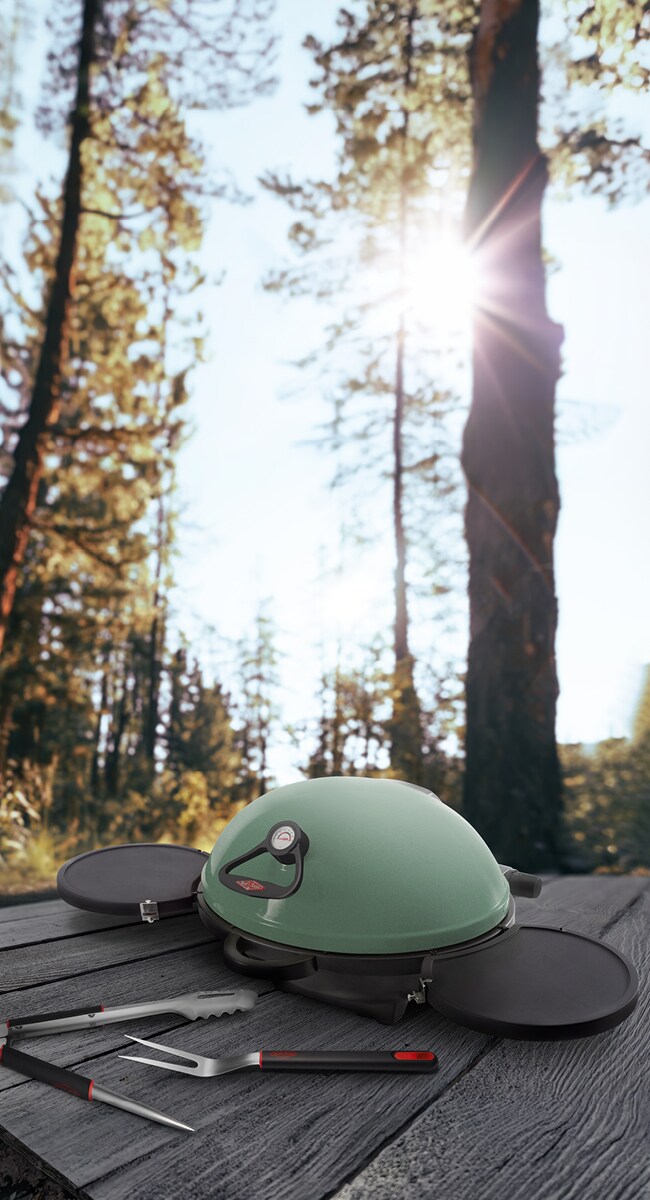
Campers, road trippers, and apartment dwellers. Also a solid backup BBQ for larger homes that want something they can take on holiday without leaving their main setup unattended.
What to consider
- Tabletop or trolley-mounted? A trolley gives you more flexibility at home; tabletop keeps it compact for travel.
- Check the dimensions against your balcony or boot space before buying.
- Modular design suits small patios and multipurpose outdoor areas where you want maximum utility from minimum footprint.
Fuel
Gas, running on LPG. Compact and straightforward. Connect a cylinder and you're cooking. Natural gas conversion is also available for homes with an existing gas connection.
Maintenance
The smaller the BBQ, the easier the clean. Removable drip trays make post-cook cleanup quick. The same oiling and brushing routine applies, just on a smaller scale.
Cost
Budget to mid-range. Great entry point into the BeefEater range without the full trolley investment.
Who it's for
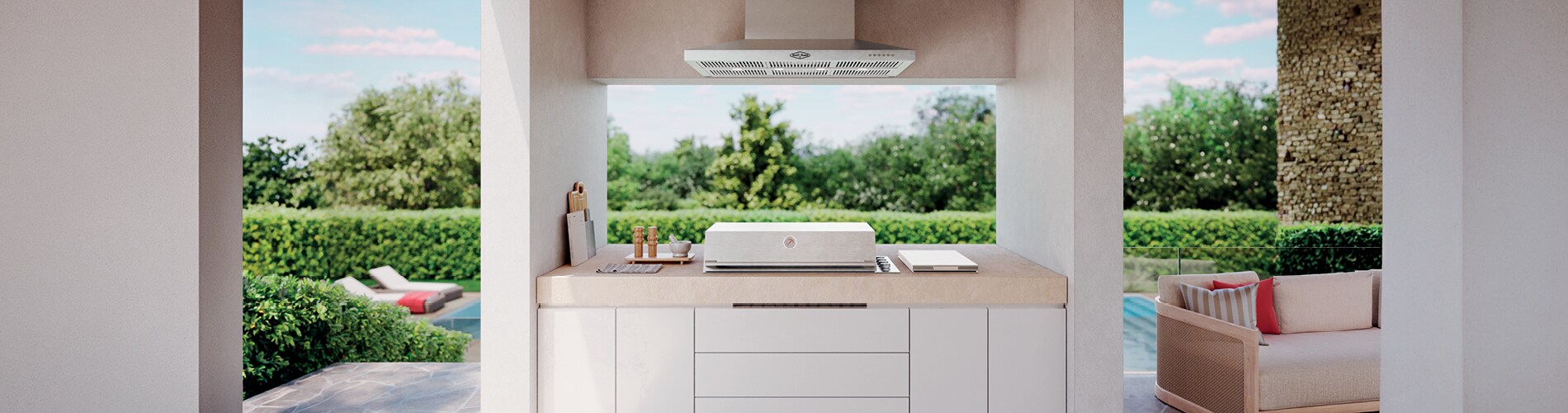
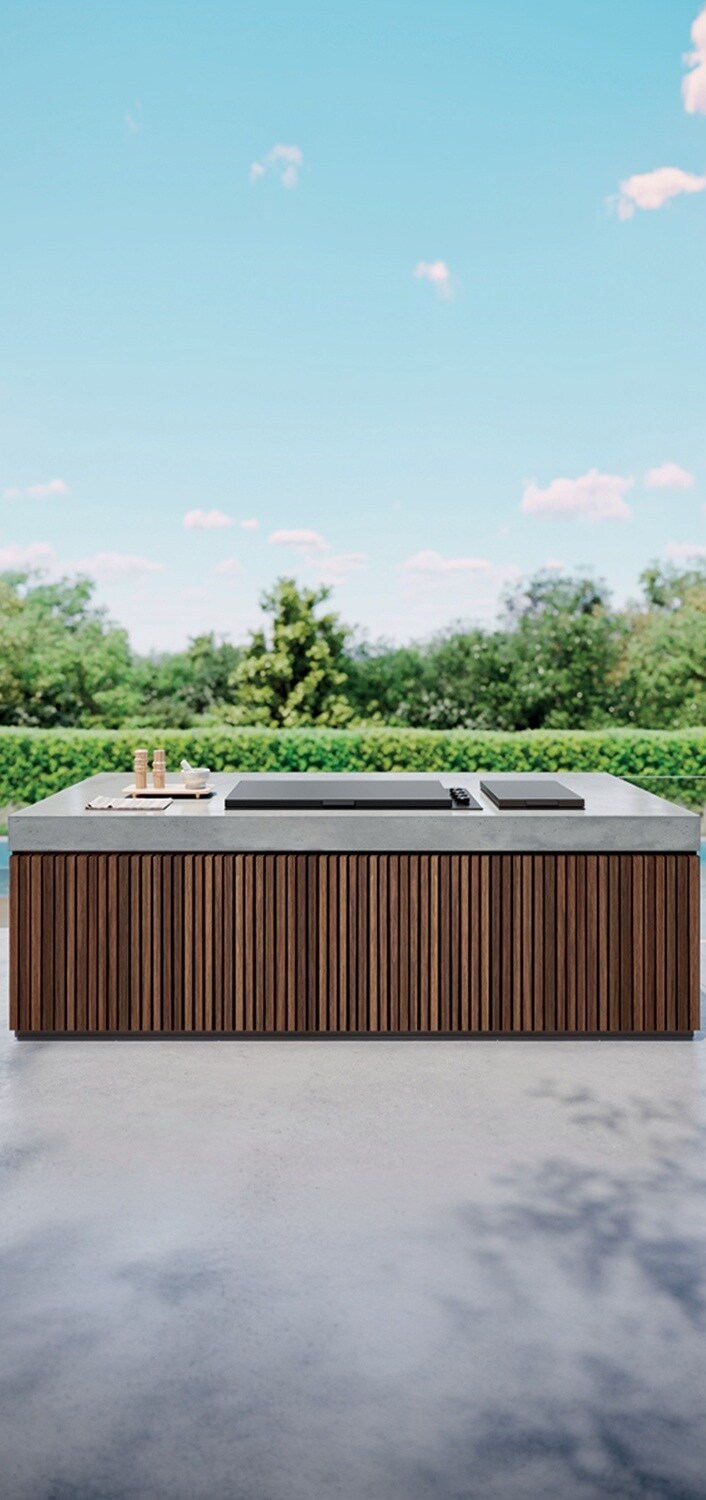
Entertainers. Homeowners who spend serious time outdoors and want a setup that matches. If you're already planning outdoor kitchen cabinetry, a built-in BBQ is the obvious centrepiece.
What to consider
- You'll need a permanent natural gas connection or an LPG setup with concealed bottle storage. Plan this with a licensed gas fitter before construction starts.
- Factor in the rangehood early. Cooking under a covered pergola or alfresco without extraction can quickly become smoky.
- Stainless steel cabinetry holds up better outdoors than powder-coated options over time.
- Optional extras like rotisserie kits and heat shields infrared burners can be added to most BeefEater built-in models. Heat shields are an important consideration depending on the materials used for your cabinetry and surrounding surfaces.
Fuel
Natural gas is the most common choice for built-in setups. No bottles to manage, consistent supply, and cleaner integration into the kitchen design.
Maintenance
More regular cleaning is par for the course when you're cooking at volume. Wiping down surrounding cabinetry and the rangehood filters should be part of your routine.
Check your BeefEater manual for model-specific guidance.
Cost
The highest upfront investment of the three categories, particularly once you factor in installation and cabinetry. The long-term cost per cook tends to work out well for those who genuinely use it regularly.
FREQUENTLY ASKED QUESTIONS
-
How many burners do I need for a family BBQ?
For a family of four cooking regularly, a four-burner freestanding BBQ is the sweet spot. It gives you enough cooking surface to run different heat zones (high heat for searing on one side, lower heat for vegetables or keeping things warm on the other).
If you regularly cook for eight or more, a five-burner model gives you the extra room. A two-burner portable is fine for couples or small balcony setups, but it'll feel cramped once you're a crowd. -
Can I convert my BeefEater BBQ from LPG to natural gas?
Yes. All BeefEater gas barbecues can be converted from LPG to natural gas using a BeefEater conversion kit. You'll need a licensed gas fitter to connect the outdoor gas outlet if you don't already have one, and to carry out the conversion itself. Search your BBQ model number in the accessories section of the BeefEater website to find the correct conversion kit for your model.
-
Is the BeefEater BUGG suitable for an apartment balcony?
The BUGG is designed for compact spaces, so it fits a balcony setup well in terms of size and portability. That said, whether you can use a gas BBQ on your balcony depends on your strata rules and local council regulations. Some buildings prohibit gas appliances on balconies entirely. Check with your building manager and local council before purchasing. If gas is restricted, an electric BBQ may be the only compliant option for your building.
-
What's the difference between a hooded and non-hooded BBQ?
A hooded BBQ has a deep lid that can be closed during cooking, allowing it to act like an oven so you can roast, smoke and cook with indirect heat in cooler weather and reduces flare-ups, while providing a more sleek, finished look in your outdoor space. Most models also feature a glass viewing window in the hood, so you can monitor cooking progress without opening the lid and losing heat. In contrast, a non-hooded flat top is simpler and easier to clean, but limits you to direct-heat cooking. For a family wanting versatility, a hooded model is a strong choice.
-
How do I know when my LPG gas bottle is running low?
The simplest method is the hot water test: pour hot (not boiling) water down the side of the bottle, then run your hand down it. The point where it feels cool to the touch is roughly where the gas level sits, since the liquid gas inside keeps that section cooler. Some regulators include a gas gauge that shows remaining levels. If you want to avoid the guesswork entirely, switching to natural gas eliminates the issue. Or keep a spare cylinder on hand so you're never caught mid-cook.
-
What BBQ accessories do I actually need to get started?
At a minimum, you’ll want quality BBQ tools like tongs, a spatula and a cleaning brush. From there, accessories like drip trays, covers and cooking plates can make a big difference to performance and maintenance.
Explore the full range of BBQ accessories and upgrade your setup today.
